|
|
|
|


9th Business Systems Laboratory International SymposiumTECHNOLOGY AND SOCIETY: Boon or Bane? |
||||||
 |
||||||
January 23-24, 2025 - UniversitY OF INSUBRIA - DEPARTMENT OF ECONOMICS |

|
|||
|
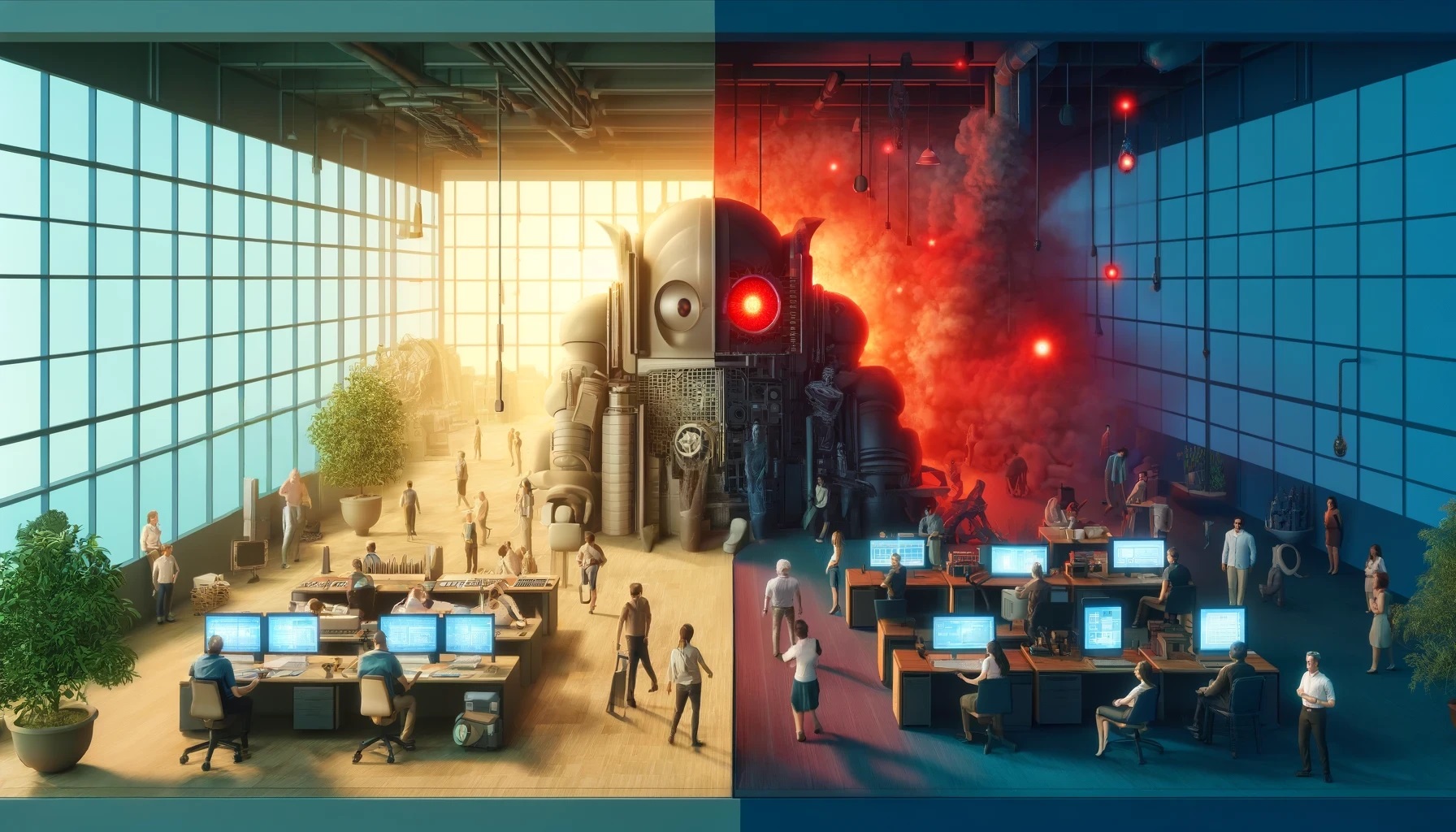
Track description It is already a truism that technology plays a crucial role in enhancing organizational agility and performance. With the implementation of emerging technologies, organizations are able to innovate and adapt quickly to changing market conditions. This allows them to develop new products, services, and processes that provide a distinct competitive advantage. Even through the state-of-the-art in practice and research confirms the paramount importance of technological advancements, some organizations prove to genuinely CARE about capitalizing technology while others are genuinely SCARED to move forward. Thus, it becomes more and more imperative for organizational actors to strike a balance between leveraging technology for agility and performance and being mindful of the potential drawbacks and challenges that come with it. From a bird’s eye view, taking sides is quite challenging. On the one hand, technology enables organizations to streamline their operations, optimize efficiency, and improve overall performance. The integration of technology into various aspects of an organization's operations not only enables agility and performance but also fosters a culture of continuous improvement. By leveraging data analytics and artificial intelligence, organizations can gather valuable insights and make data-driven decisions to stay ahead of the competition. Technology facilitates seamless communication and collaboration, breaking down barriers between teams and departments, thereby promoting a more cohesive and agile work environment. Additionally, the utilization of advanced technologies, such as cloud computing and automation, empowers organizations to scale their operations efficiently, reduce costs, and adapt swiftly to market demands. From this standpoint, technology acts as a catalyst for organizational agility and performance by enabling innovation, streamlining operations, facilitating data-driven decision-making, promoting collaboration, and enabling scalability. On the other hand, it is important to consider that technology may also have drawbacks when it comes to organizational agility and performance. One argument is that heavy reliance on technology can lead to over-complexity and a risk of technological failure. In some cases, organizations may become too dependent on technology, leaving them vulnerable if systems fail or if there are disruptions in technology infrastructure. The rapid pace of technological advancements can lead to challenges in keeping up with the changes, potentially causing organizations to struggle with compatibility issues and the need for continual retraining of staff. Moreover, there are concerns about the potential job displacement as automation and artificial intelligence continue to advance, leading to fears of job insecurity and a potential decrease in overall employee morale. Starting from these premises, the current track aims to investigate a broad array of topics and research questions which capture, but not limited to: - Information systems agility: how information systems and their agile implementation through technology impact business performance and agility; - Decision-making effectiveness: how various types of knowledge influence the effectiveness of the decision-making process in management, particularly in the context of technology-aided environments; - Innovation management: how technology fosters an innovative culture within organizations and impacts the development of new products and services; - Data analytics and AI: how big data analytics and artificial intelligence contribute to providing insights that lead to improved performance and market positioning; - Collaboration and communication technologies: how technological tools enhance internal and external communication and collaboration to promote agility; - Automation and job displacement: how is the balance between efficiency gains through automation and what are the implications for workforce displacement and job security; - Technology adoption and integration: what are the challenges and best practices around integrating new technologies into existing business models and workflows; - Strategic human resources management: what is the role of SHRM in leveraging technology to develop capabilities that distinguish a company from competitors, and its alignment with agility and performance. These areas are at the forefront of current research on the impact of technology on organizational agility and operational performance, therefore interdisciplinary, transcultural, and transnational perspectives are welcome and encouraged. |
|||
|
|