|


10th Business Systems Laboratory International SymposiumMASTERING CHALLENGES:Navigating the Waves of Innovation in a Tech-Driven World |
|||||
 |
|||||
January 22-23,
2026
|
|
||
|
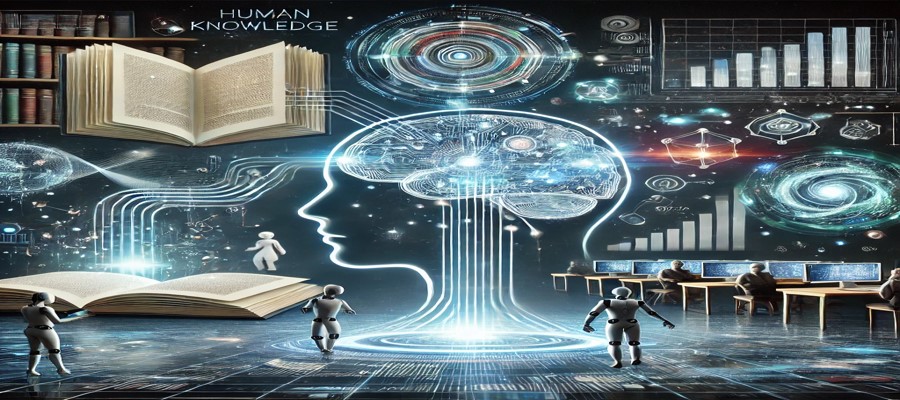
Track description Knowledge Management (KM) integrates all individual and organizational tasks and activities focused on processing intangible resources. These tasks and activities comprehend knowledge creation, acquisition, storage and retrieval, transfer, sharing, transformation, translation, and utilization. Knowledge constitutes the result of learning based on processing data and information. The emergence of disruptive AI technologies, especially generative AI, impacts the human-centered KM and asks for new paradigms capable of dealing with artificial knowledge and its integration within the new structures of Knowledge Management systems (KMS). This track delves into how KMS are reshaped by the integration of artificial knowledge and artificial intelligence into the design and operation of complex interactions between people and machines in knowledge-intensive organizations. That means new concepts, new ideas and theories, and the construction of new paradigms. The following can be inspiring topics for the papers prepared for this track, but not exclusively: • Knowledge fields and knowledge dynamics in knowledge-intensive organizations. • The impact of AI tools on the structure and design of KMS. • The emergent concept of artificial knowledge and its impact on KMS. • The dynamics of integrating human knowledge with artificial knowledge. • Knowledge creation and knowledge acquisition. • Knowledge sharing, knowledge hiding, and knowledge hoarding. • Knowledge transfer and knowledge diffusion. • Knowledge translation and knowledge absorption. • Knowledge embedding in products and services. • Knowledge vulnerabilities and knowledge risks. • Designing knowledge strategies for knowledge-intensive organizations. • Knowledge flows within organizations and across their borders. • Knowledge networks and their dynamics. • Learning, unlearning, and re-learning in KMS. • Organizational learning and the learning organizations. • Knowledge creation, co-creation, and open innovation.
|
||
|
|
.jpg)
