|


10th Business Systems Laboratory International SymposiumMASTERING CHALLENGES:Navigating the Waves of Innovation in a Tech-Driven World |
|||||
 |
|||||
January 22-23,
2026
|
|
||
|
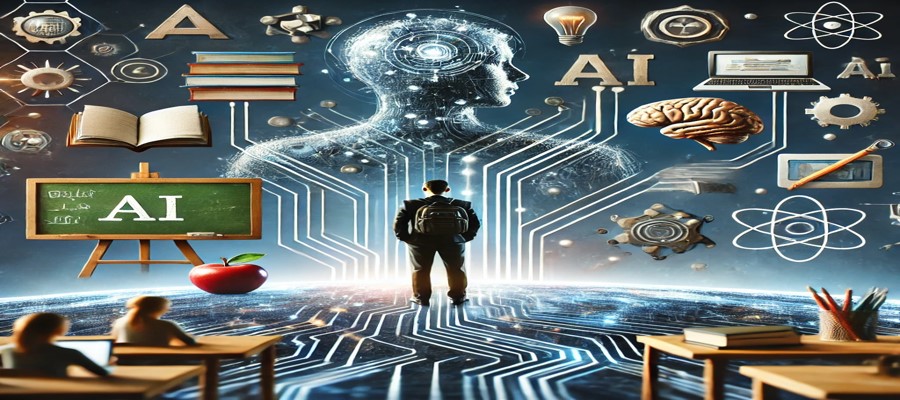
Track description The rapid advancement of artificial intelligence and digital transformation is reshaping industries, creating both unprecedented opportunities and significant challenges. Major shifts in the labor market are expected, demanding new workforce skills and innovative educational strategies. According to the Future of Jobs report by the World Economic Forum, "60% of employers expect digital transformation to reshape their business by 2030. Around 59% of employees will require retraining, half of all employers plan to reorient their business models in response to AI, two-thirds aim to hire talent with AI-specific skills, while 40% anticipate workforce reductions due to task automation” (WEF, 2025). Additionally, another WEF report projects the emergence of 92 million global digital jobs by 2030 (WEF, 2024). These large-scale transformations will lead to the disappearance of many traditional jobs while simultaneously creating new roles, intensifying the demand for continuous learning and workplace training. To meet these challenges, the education system must evolve. Higher education institutions must develop creative, adaptive teaching methodologies to equip students with future-ready skills. At the same time, businesses must implement dynamic upskilling and reskilling programs to ensure employees remain competitive in an AI-driven economy. This track will delve into these critical issues, fostering discussions on the future of education, the role of AI in learning, and the policies and strategies needed to bridge the skills gap. It will explore how innovative pedagogies, lifelong learning, and workplace training can empower individuals and institutions to thrive in the digital age.
|
||
|
|

